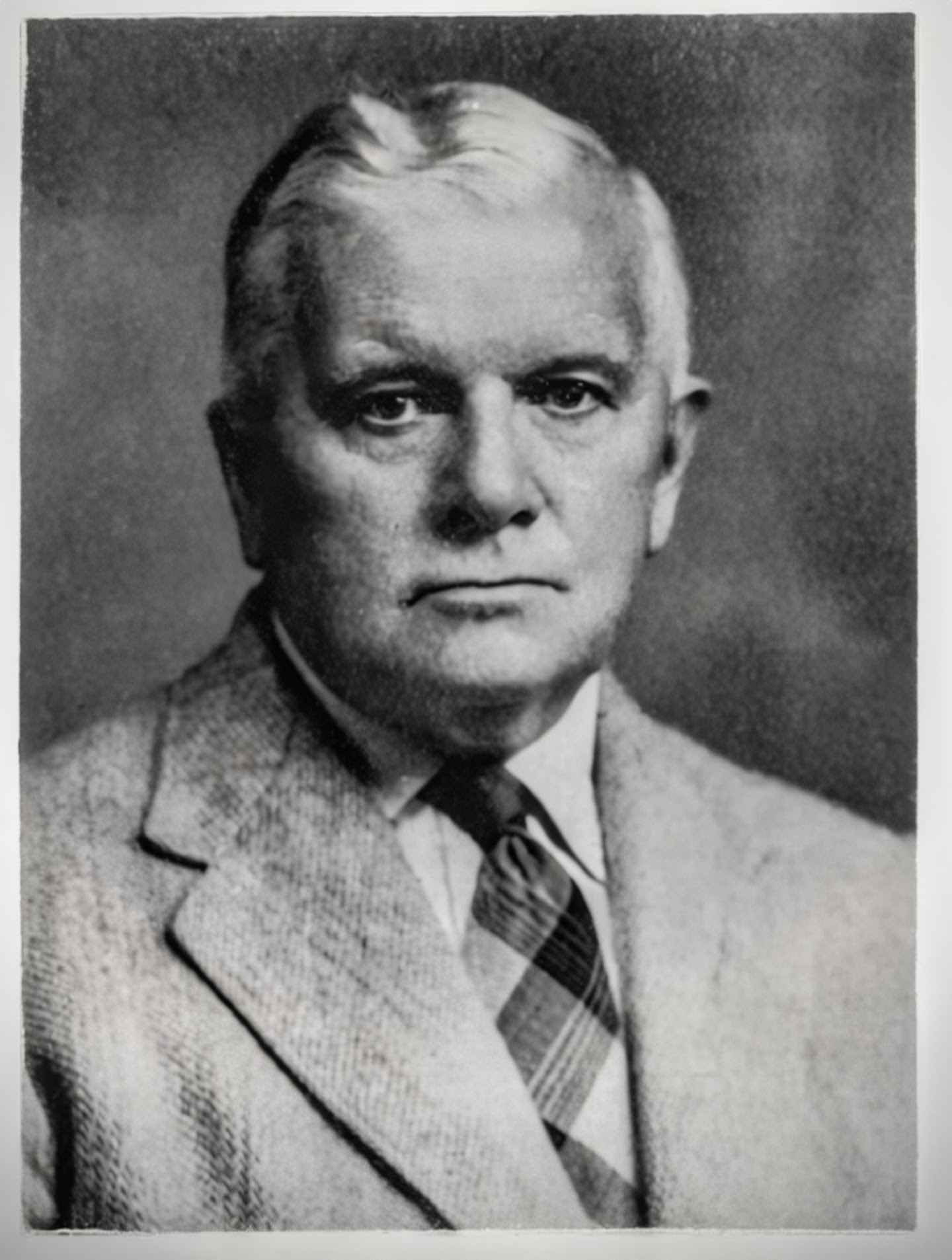
Dr. Stafford Geddes (Consultant Anaesthetist)
A Legacy of Medical Contribution in Northern Ireland
Born William Stafford Geddes — known to family and friends as "Billy," and professionally throughout his medical career as Stafford Geddes.
Professional Career & Affiliations
- Primary Institution: Royal Victoria Hospital (RVH), Belfast, Northern Ireland
- Medical Specialty: Consultant Anaesthetist
Historical Context & Medical Contributions
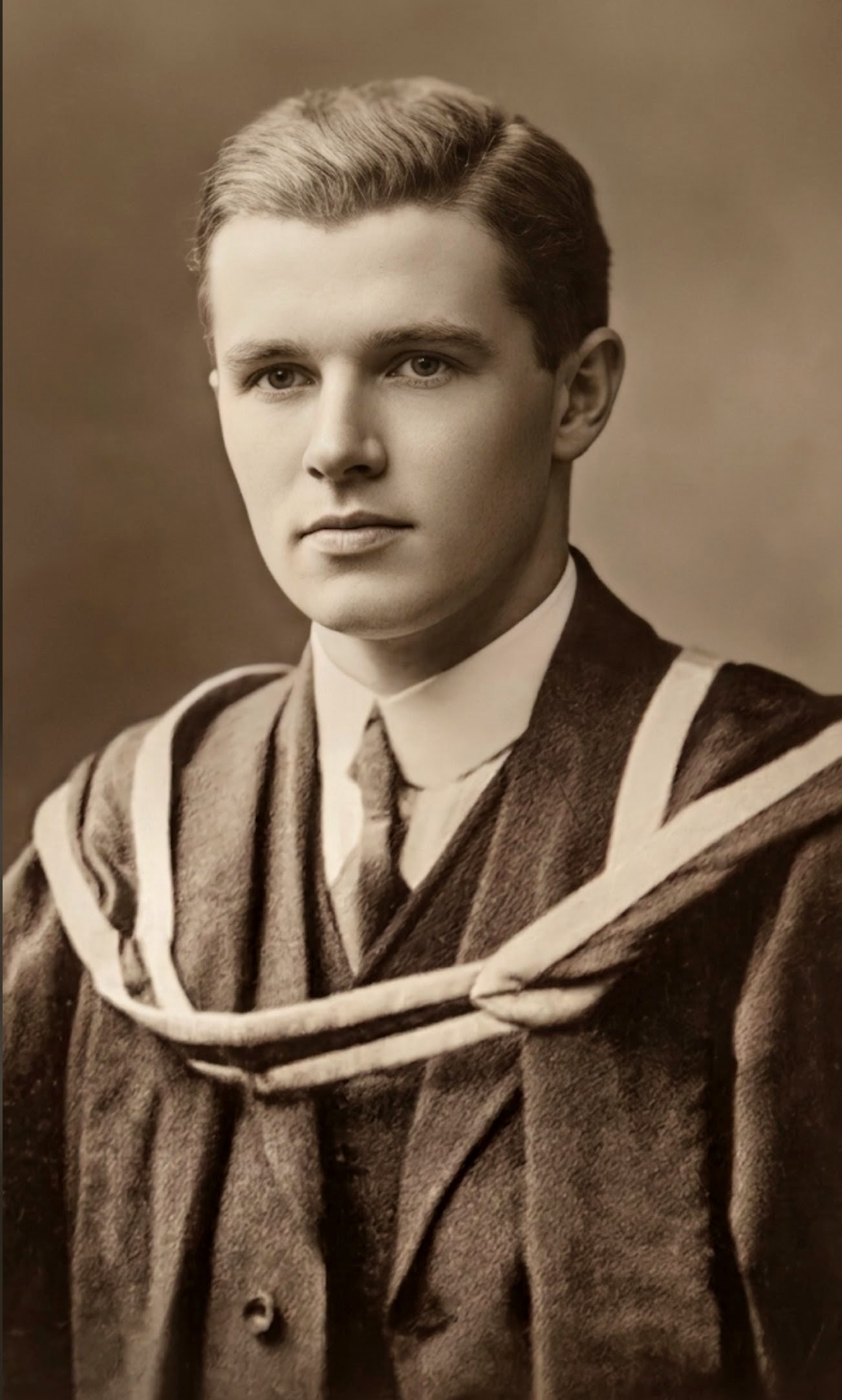
Early Life & Education
Before his landmark clinical career at the Royal Victoria Hospital, Dr. Geddes pursued his medical training in Belfast. He graduated from Queen's University Belfast around the age of 24, acquiring the foundational knowledge and technical rigor that would later distinguish him as a foundational figure in the history of Irish anaesthesia. His studies in Belfast laid the essential framework for a long career dedicated to patient safety and critical innovations within operating theaters across the region.
The Pioneering Era of Anaesthesia
Dr. Stafford Geddes served as a prominent consultant anaesthetist during a foundational, transformative era for the specialty in Northern Ireland. Operating out of the prestigious Royal Victoria Hospital in Belfast, he was highly regarded by colleagues and surgical teams for his clinical expertise, steady hand, and technical precision in managing complex, high-risk surgical cases.
Early Clinical Research & Toxicology
Beyond his daily theatre duties, Dr. Geddes actively contributed to early medical literature, focusing on critical care and toxicology. Notably, he published foundational work in The British Medical Journal (BMJ) regarding the clinical treatment and management of acute barbiturate poisoning—a severe and recurring medical emergency in mid-20th-century medicine.
A Lasting Medical Legacy
In addition to his direct clinical impact, Dr. Geddes established a profound family legacy within international medicine. He was the father of Dr. John Stafford Geddes (1939–2024), the pioneering Northern Irish cardiologist who, alongside Professor Frank Pantridge at the Royal Victoria Hospital, co-developed the world's first mobile coronary care unit (the Belfast "Flying Squad") and revolutionized pre-hospital cardiac care with the portable defibrillator. Dr. Stafford Geddes' long-standing career and esteemed reputation at the Royal Victoria Hospital helped pave a path for this next generation of historic medical breakthrough.
Personal Practice, Residence & Pursuits
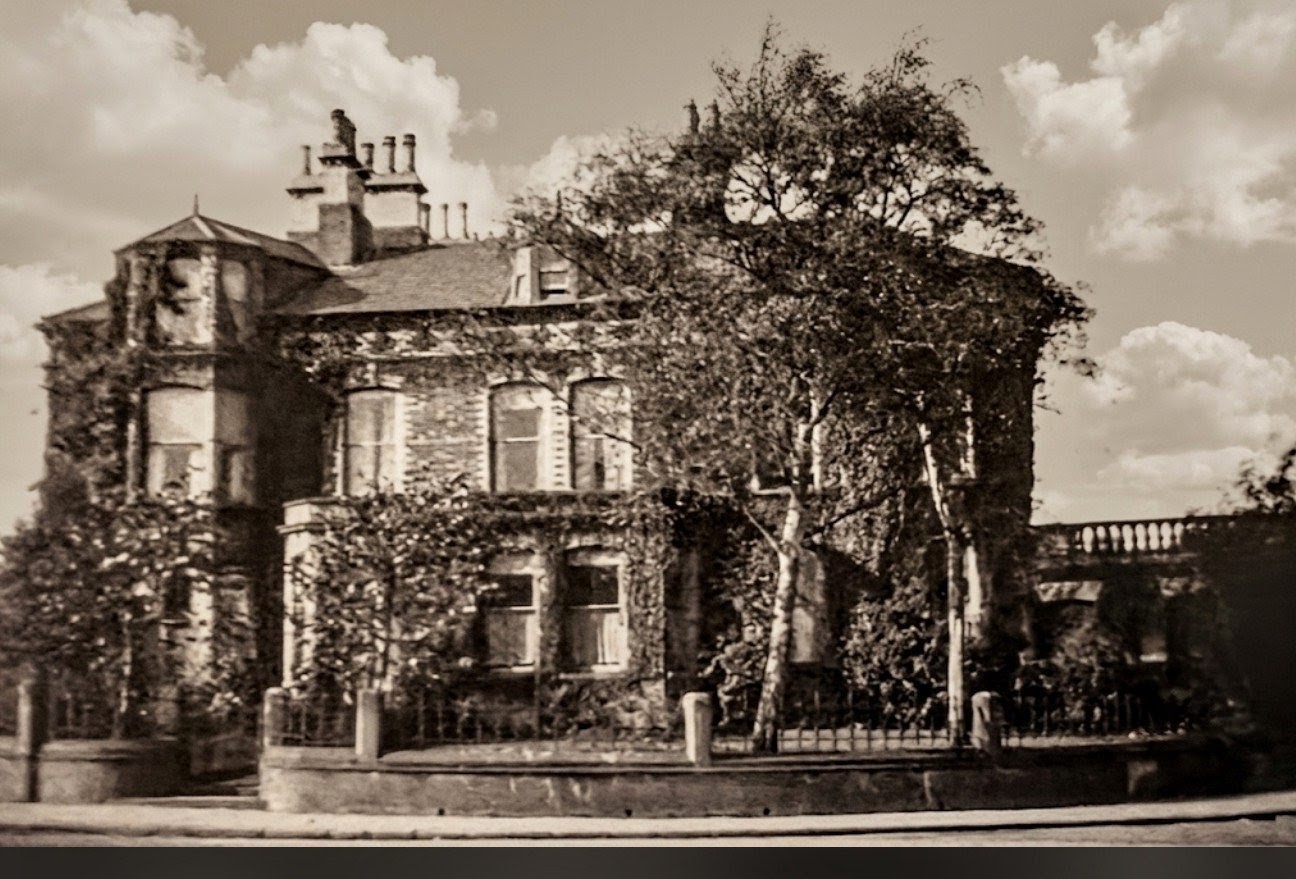
Alongside his institutional appointments at the Royal Victoria Hospital, Dr. Stafford Geddes maintained a dedicated private medical practice. Early in his career, prior to his marriage to Rachel Olive Geddes, he lived with his family at the Geddes residence, Ulsterville House, located at 117 Lisburn Road in Belfast (a historic home that has since been demolished). Within the family residence, one of the rooms was specially set aside as a consulting room where he met with patients. Outside, his professional brass nameplate was proudly mounted to mark the entry for visiting patients and medical colleagues.
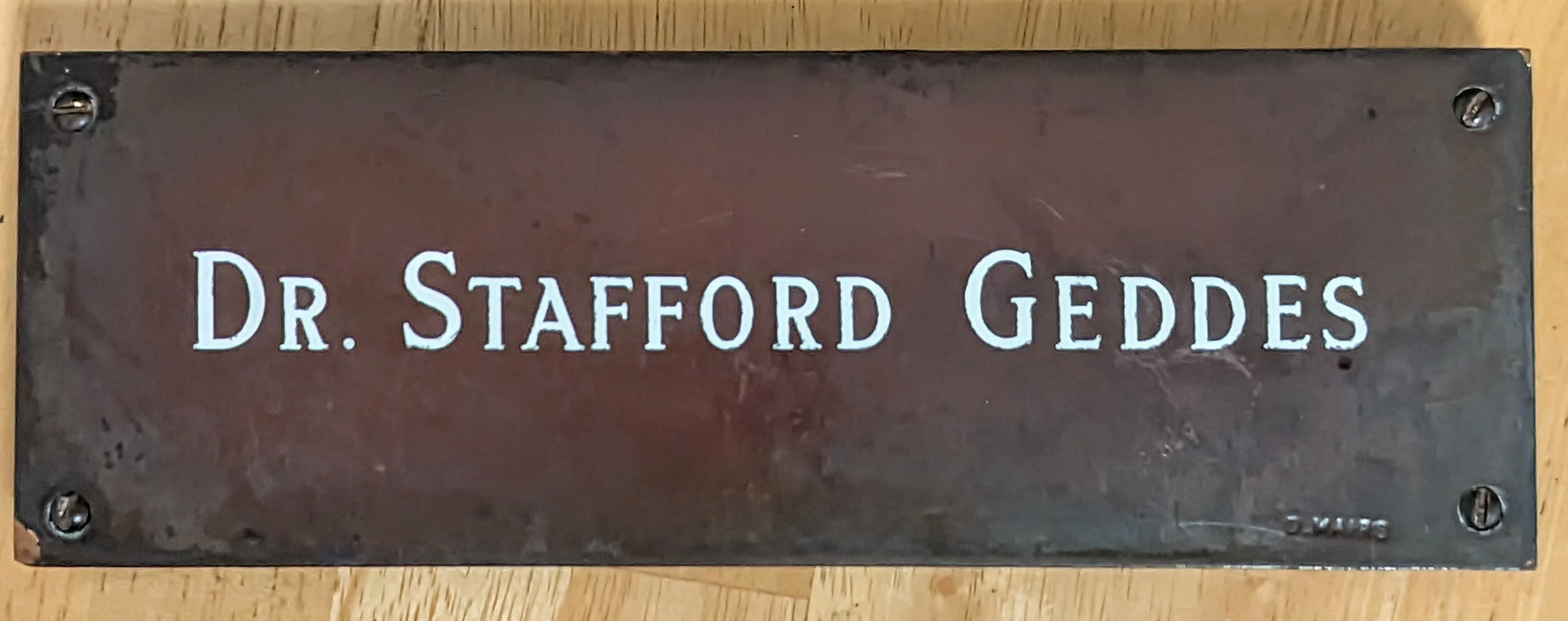
Following his marriage, Dr. Geddes established his family residence and consulting rooms at 84 Malone Road in an affluent residential quarter of Belfast. He relocated his official brass nameplate beside his front door at the entryway into the house outside at 84 Malone Road, where it continued to serve as a recognizable landmark for decades. This physical plaque remains preserved today as an enduring heirloom of his distinguished practice.
Outside of his demanding medical career, Dr. Geddes was an avid golfer and a keen competitor. A long-time member of the nearby Malone Golf Club, he regularly spent his leisure hours on the fairways and successfully won several club prizes over the years, demonstrating the same focus and precision on the green that characterized his clinical work.
Historical References & Documentation
- Clinical Publication: Geddes, S. (1934). "Barbiturate Poisoning." The British Medical Journal (BMJ).
- Historical Record: Mentioned as a foundational medical staff member in The Ulster Medical Journal Archives.
- Family Medical Legacy: O'Rourke, M. F., et al. (2025). "John Geddes: early pioneer and advocate of rapid pre-hospital defibrillation." British Medical Journal (BMJ), 388, r154.